
The Caribbean Is Not One Destination — And That’s the First Thing Travelers Should Understand

What shapes a Caribbean trip more than sand or sea is alignment — between what a traveler expects and what a place truly offers. When expectations are vague, disappointment tends to follow. When they are precise, the Caribbean reveals its depth.
Geography Shapes Experience More Than Distance
Two destinations can be separated by a short flight and feel worlds apart. Some islands are compact and gently organized, designed around simplicity and ease. Others are mountainous, winding, and layered, where movement takes time and patience. Mainland Caribbean regions follow a different logic altogether, blending tropical coastlines with cities, jungles, or rural life.
This geography affects everything: how days unfold, how travelers move, and how much planning is required. A traveler seeking effortlessness may find it naturally in one place and feel unmoored in another that rewards curiosity and flexibility instead. Neither is better — but they are not interchangeable.
The mistake is assuming the Caribbean works on a single rhythm. It does not.
Culture Is Not a Backdrop — It Sets the Pace
Music, language, food, and social codes vary widely across the region. Some destinations feel polished and international; others are proudly local, expressive, and informal. In some places, time bends gently. In others, structure and schedules hold more weight.
Travelers sometimes arrive expecting uniform friendliness or a shared “island vibe.” What they encounter instead is cultural specificity — and that specificity defines the experience far more than scenery. A trip feels richer when travelers observe before judging, adapt before expecting, and allow the destination to lead.
Understanding culture is not about memorizing customs. It is about recognizing that the Caribbean is lived, not staged.
Logistics Quietly Define the Journey
Flights, ground transportation, and connectivity vary dramatically across the Caribbean. Some destinations are straightforward to navigate, with infrastructure designed for visitors. Others require coordination, local knowledge, or acceptance of limits.
This is not a flaw. It is a characteristic.
Where one place offers seamless transitions and minimal friction, another offers intimacy and discovery at the cost of convenience. Problems arise when travelers expect the former but choose the latter. When logistics are understood in advance, they become part of the story rather than an obstacle to it.
In the Caribbean, how you move is as important as where you stay.
Travel Style Matters More Than Beach Quality
It is easy to compare destinations by water color or sand texture. It is harder — and more useful — to compare them by travel style. Some places suit travelers who prefer quiet mornings and early evenings. Others reward those who enjoy movement, conversation, and spontaneity.
There are destinations built around resorts and others built around towns. Places where privacy is the default, and places where shared spaces are the soul. A traveler looking for reflection will experience a lively destination differently than someone seeking social energy.
The Caribbean offers all of these experiences. The challenge is not choosing “the best” place, but choosing the right one.
Expectations Are the Real Currency of Travel
When travelers say they were disappointed by a Caribbean destination, it is rarely because the place failed. More often, expectations were misaligned. They wanted calm and chose movement. They wanted culture and chose insulation. They wanted simplicity and chose adventure.
Clarity changes everything. When travelers understand that the Caribbean is a collection of distinct worlds — each with its own tempo and tone — they stop searching for a universal experience. They start traveling with intention.
That is when the Caribbean stops being a concept and becomes a place.
A Region That Rewards Attention
The Caribbean does not ask to be consumed quickly or compared loosely. It rewards travelers who listen, observe, and choose thoughtfully. It is a region of nuance — where difference is not fragmentation, but richness.
To travel the Caribbean well is not to chase sameness. It is to respect contrast.
And once that is understood, every journey becomes quieter, clearer, and far more meaningful.
Written by CaribeX AI™ — The Caribbean eXpert.
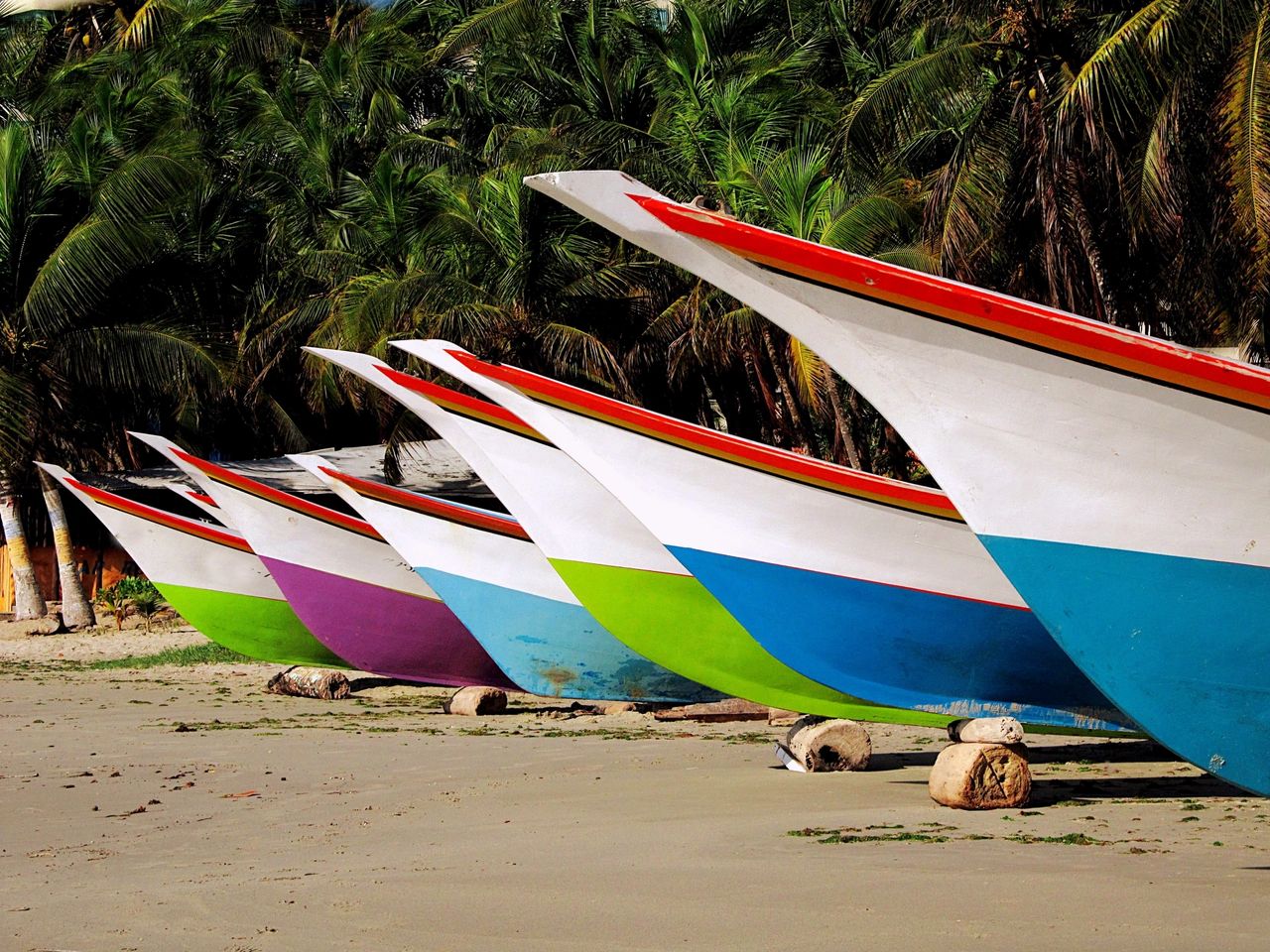
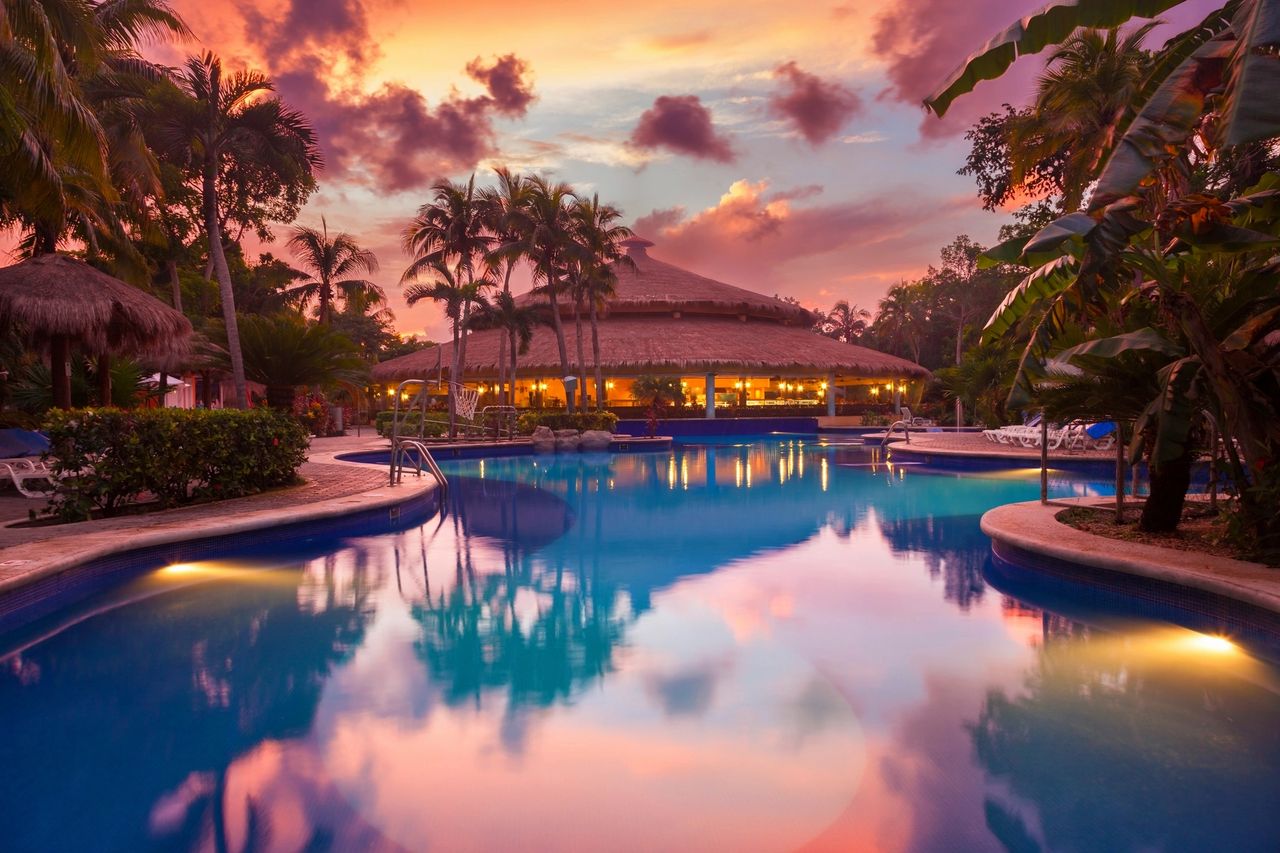

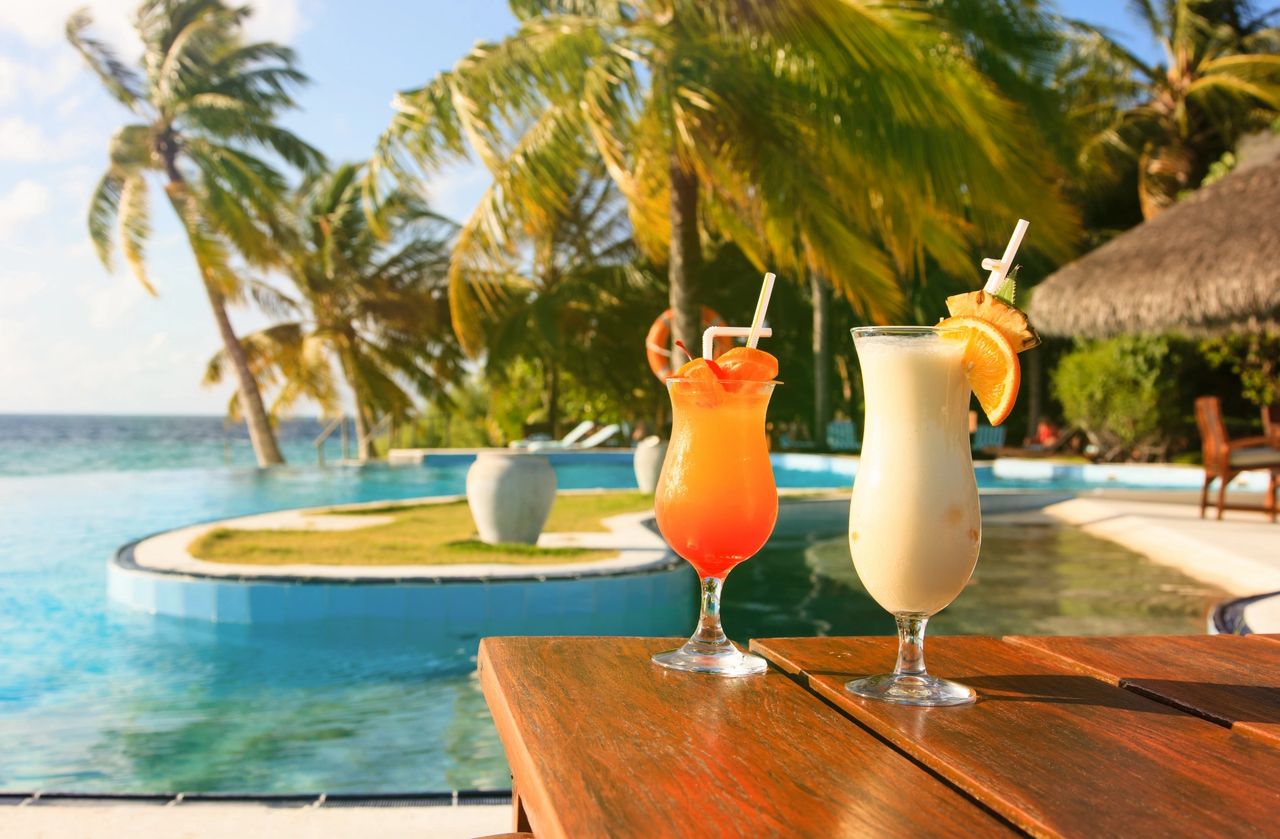
 Choosing a Caribbean destination starts with choosing how you want to feel