“Exploring the Caribbean through culture, history, and travel.”

Tuesday, February 24, 2026

Choosing the Caribbean Is Not Choosing a Beach — It’s Choosing a Rhythm, Culture, and Context


Many travelers believe they are choosing a destination.
In reality, they are choosing a tempo.

The Caribbean is often reduced to a visual promise: warm water, soft sand, endless sun. But geography alone does not define an experience. What truly shapes a trip is rhythm — how mornings unfold, how afternoons slow down, how evenings feel.

The Caribbean is not one interchangeable backdrop.
It is a region of distinct cultural and emotional atmospheres.

Rhythm: Fast, Slow, or Somewhere in Between

Some destinations move gently. Days stretch long, conversations linger, and the pace feels intentionally unhurried. Time softens.

Others feel alive from morning to night. Music drifts from open doors. Restaurants fill late. Energy carries into the evening.

Neither is better. But they are not the same.

Choosing well means understanding whether you want stillness — or movement.

Culture: Subtle or Immersive

In certain places, culture sits quietly in the background. It reveals itself in architecture, in cuisine, in tone.

In others, culture is immediate and expressive. It shapes the street life, the soundscape, the social rhythm. It asks you to participate, not just observe.

If you want immersion, you choose differently than if you want calm distance.

Context: Resort, Town, or Landscape

Some travelers thrive in structured environments — contained spaces where everything feels resolved and accessible.

Others prefer towns with visible local life. Or landscapes where nature dominates the experience and infrastructure recedes.

The setting changes everything.

The same turquoise water feels different when viewed from a private terrace, a lively promenade, or a quiet coastal path.


To say “I’m going to the Caribbean” is like saying “I’m going to Europe.”
It sounds specific — but it isn’t.

What you are really choosing is how you want to feel.

Do you want your days choreographed or open-ended?
Do you want culture to surround you or softly frame you?
Do you want simplicity, immersion, elegance, rawness?

The beach may attract you.
But the rhythm will define your trip.

And that is the decision that truly matters.

Tuesday, February 17, 2026

Not All Turquoise Beaches Mean the Same Thing in the Caribbean

The Caribbean is not a color.

It is a feeling.

From a distance, many beaches look identical: pale sand, luminous water, palm trees leaning softly toward the shore. On social media, turquoise repeats itself like a universal filter. But in reality — in the rhythm of the place, in the quality of the silence, in the energy that surrounds you — each beach tells a different story.

The mistake is not wanting beautiful water.
The mistake is assuming that beautiful water always delivers the same experience.

The Structured Turquoise

There are beaches where everything flows with ease. Large resorts, visible services, restaurants nearby, effortless access. The sea is stunning, yes — but also predictable and practical.

Here, travel feels organized and contained. Ideal for those who want to rest without thinking too much about logistics. The landscape becomes part of a carefully arranged experience designed to feel simple.

In this case, turquoise means structure.

The Intimate Turquoise

On other islands, the water may be just as clear — sometimes even clearer — but the surroundings shift entirely. Less infrastructure. Less movement. Less intervention.

The silence feels deeper. The day stretches longer. The sea is not competing with background music or scheduled activities.

Here, turquoise means space.

The Wild Turquoise

There is also a Caribbean where the beach is not the sole focus, but part of a broader ecosystem: jungle, mountains, strong local culture, lived-in towns.

The sand may feel more natural. Access may require intention. The sea may change with the wind. But the experience feels raw, textured, alive.

In these places, turquoise means nature.

The Cultural Turquoise

Some destinations use the beach as only one layer of the journey. What truly defines the trip is the food, the music, the architecture, the urban rhythm nearby.

The water remains beautiful, but it is not the only protagonist. A day may begin by the sea and end in a historic district, a creative neighborhood, or around a table that tells a local story.

Here, turquoise means backdrop.


When someone says, “I want a beautiful beach,” they are usually asking for something deeper:
a specific way to rest, to disconnect, to feel.

Before choosing a Caribbean destination, the real question is not how blue the water looks.

It is: What kind of experience do I want that blue to give me?

That is where the right journey begins.

Tuesday, February 10, 2026

Some Caribbean Trips Are About Slowing Down — Others Are About Feeling Alive

Caribbean sunset


When people talk about the Caribbean, they often talk about rest.But rest doesn’t always mean the same thing.

For some travelers, rest is quiet mornings, slow days, and early nights.
For others, rest comes from movement, energy, conversation, and long evenings that stretch naturally.

Both experiences exist in the Caribbean — and both are equally valid.

The difference isn’t the region.
It’s the rhythm you connect with.


The Caribbean isn’t just calm — it’s dynamic

There’s a common idea that the Caribbean is only about slowing down.

And yes, many trips invite exactly that:

  • unhurried days

  • minimal plans

  • a sense of pause

But the Caribbean also knows how to feel alive.

Music, social energy, food, shared spaces, vibrant nights — these are just as much a part of the region’s identity as quiet beaches and empty horizons.

Neither rhythm cancels the other.
They coexist.


Why rhythm matters more than labels

Travelers sometimes say they want a “relaxing” trip, but what they actually need is alignment.

Some people relax when things are calm and predictable.
Others relax when they feel engaged and stimulated.

A trip that feels peaceful to one traveler can feel flat to another.
A trip that feels exciting to one can feel overwhelming to someone else.

This isn’t about good or bad choices.
It’s about understanding how you recharge.


Slowing down as a way to reconnect

For many travelers, slowing down is deeply restorative.

It creates space:

  • to disconnect

  • to think

  • to breathe differently

In these experiences, the Caribbean feels gentle and grounding.
Time stretches. Days feel soft.

This rhythm attracts travelers who want fewer decisions and more presence.


Feeling alive as a form of rest

For others, feeling alive is what brings balance.

Energy doesn’t always mean stress.
Movement doesn’t always mean exhaustion.

Lively environments can feel comforting, social, and joyful — especially for travelers who recharge through connection, sound, and shared moments.

In these experiences, the Caribbean feels expressive and warm.
Days flow into nights naturally.


There’s no “correct” Caribbean rhythm

The mistake many travelers make isn’t choosing the wrong kind of trip.

It’s assuming that one rhythm is superior to the other.

The Caribbean doesn’t ask you to slow down — or to speed up.
It simply offers space for both.

Understanding that frees you from comparison and pressure.


A calmer way to approach your trip

You don’t need to define your trip perfectly.

You only need to notice one thing:

  • Do you feel more at ease when life gets quieter?

  • Or when it feels more alive?

Once you understand that, the Caribbean stops being confusing and starts feeling welcoming.

Because whatever rhythm you’re drawn to,
there’s a place — and a way — to experience it comfortably.

Tuesday, February 3, 2026

What “Relaxing” Means in the Caribbean Depends on Where You Go


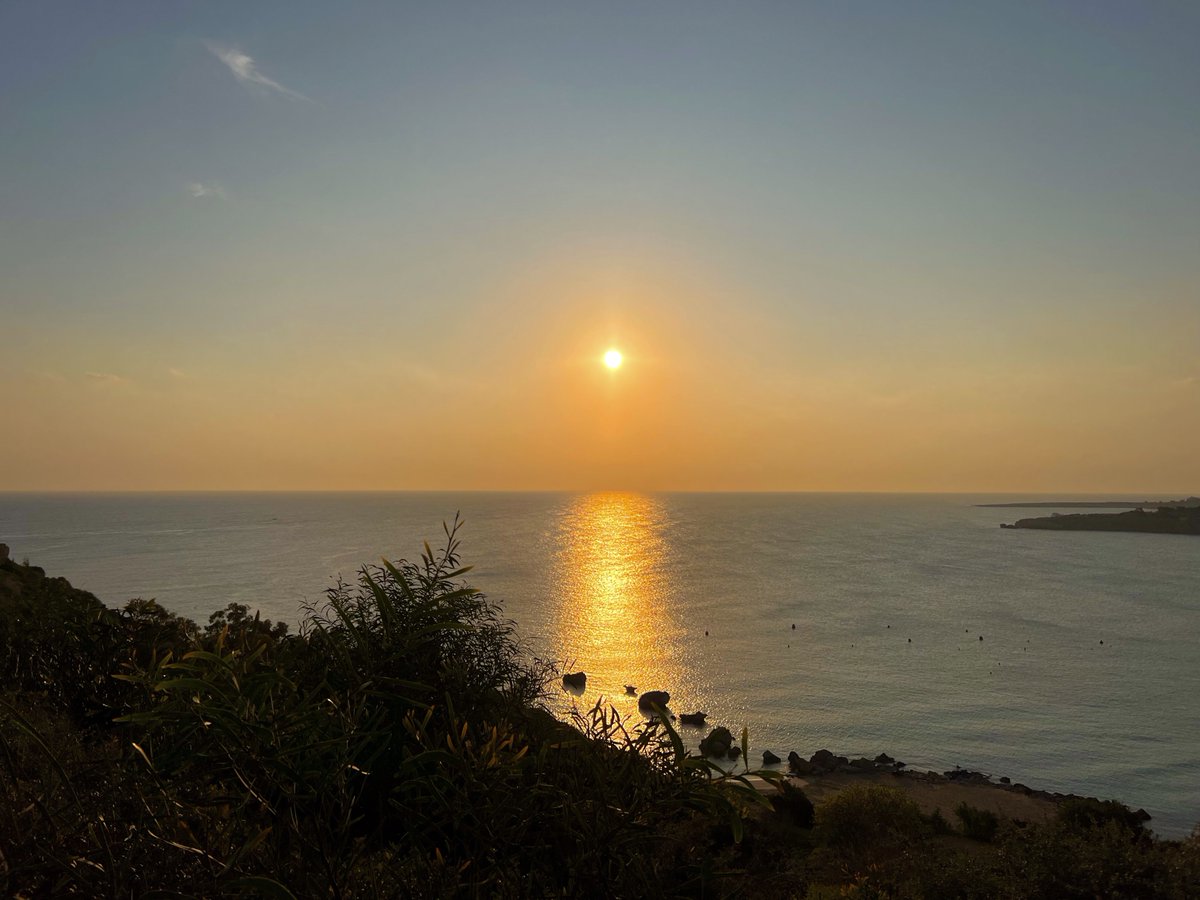
The golden light of the rising sun bathes the calm sea ...
“Relaxing” is one of the most commonly used words in Caribbean travel — and one of the most misunderstood.

Travelers often assume that calm water and warm weather automatically translate into rest. But relaxation is not just about scenery. It’s about how a place moves, responds, and feels over time.

And in the Caribbean, those differences matter.

Quiet is not the same everywhere

Some destinations offer a type of quiet that feels intentional and supported.
Others offer a quiet that feels raw, unstructured, and deeply slow.

Both are valid.
Both can be relaxing — or stressful — depending on the traveler.

For some people, fewer options feel freeing.
For others, they feel limiting.

The Caribbean doesn’t offer one version of quiet. It offers many.

When expectations clash with reality

Many travelers arrive expecting:

  • effortless calm

  • seamless service

  • slow days without friction

But some islands require adjustment:

  • services move differently

  • schedules are flexible

  • silence is real, not curated

When travelers are unprepared for that rhythm, relaxation turns into frustration.

Not because the destination failed — but because expectations were imported from somewhere else.

Relaxation as compatibility

True relaxation happens when:

  • the pace of a place matches your internal pace

  • your expectations align with how things actually work

  • you stop trying to control the experience

Some Caribbean destinations invite you to slow down gently.
Others ask you to let go completely.

Knowing the difference matters.

Choosing with clarity

The question is not:

“Is this destination relaxing?”

The real question is:

“Is this type of relaxation right for me?”

Understanding that distinction changes how you experience the Caribbean — and whether you enjoy it at all.

Caribex approaches the region through that lens: not selling relaxation, but explaining its many forms.